
Before the Boxes: The Emotional Work of Moving
The move starts months before the tape gun comes out.
June 29, 2026Home & Life7 min read
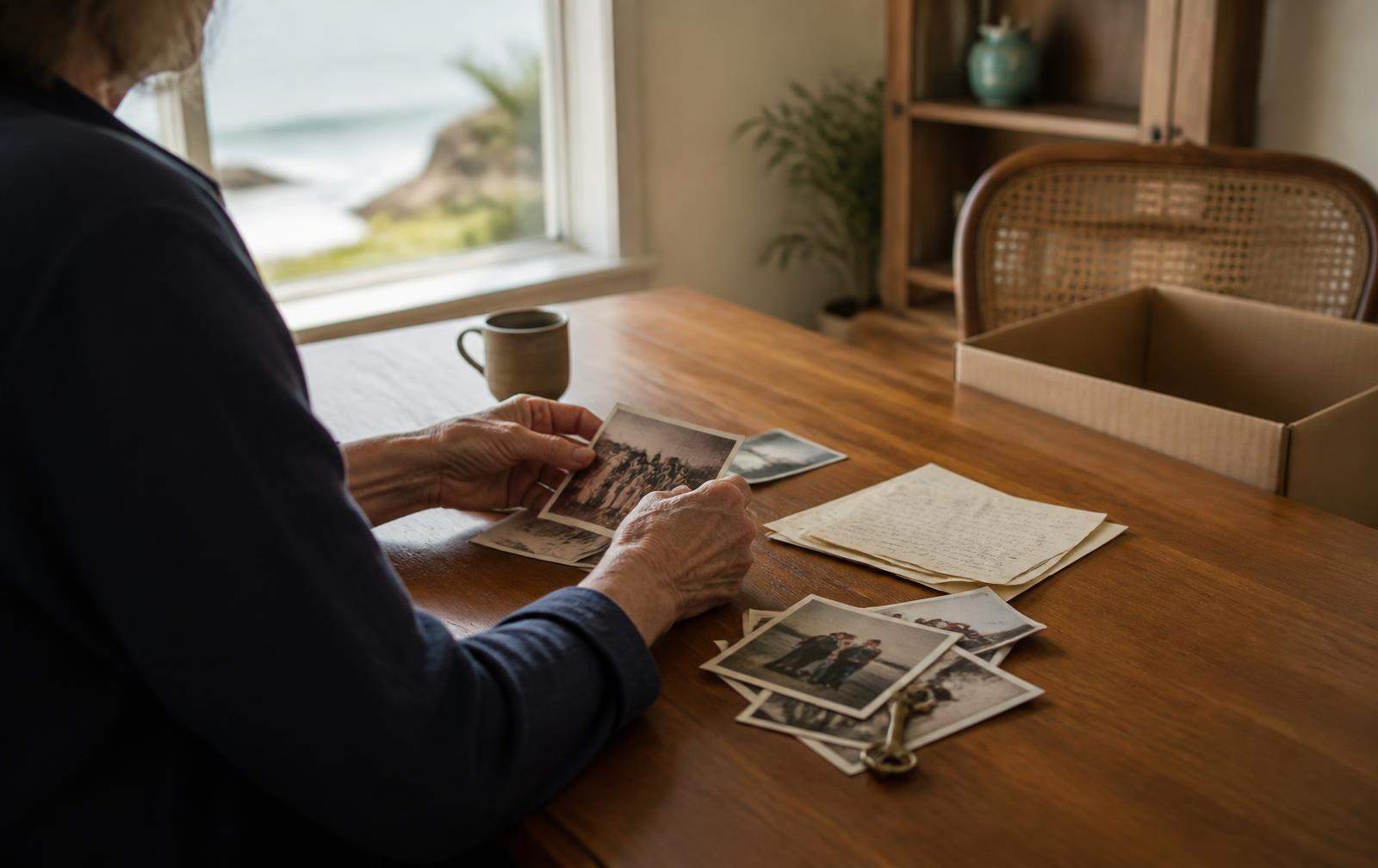
Everyone plans the move for the week of the move. Trucks, boxes, labels, a color-coded system that survives approximately four hours.
But ask anyone who has done a significant one and they will tell you the hard part happened earlier, in a stretch of weeks when nothing visible was going on and they were, on paper, simply going about their life.
The phase with no name
There is a period after a decision is made and before anything physical begins. You know you are leaving. The house does not know yet. Everything looks exactly as it did, except that you have started narrating it in the past tense — this is the last spring for the jacaranda, this is the last time I'll do this on a Sunday.
You do not pack a house. You disassemble a version of your life, carefully, and decide which parts travel.
It is a strange, suspended time. People often describe feeling flat during it, or unaccountably irritable, or exhausted despite having done nothing. That is because the work is real, it is just not visible: you are gradually detaching from a place while continuing to live in it.
Anticipatory grief and its bad reputation
Grief before a loss is a well-documented experience and it applies here more than we admit, because we are not culturally comfortable grieving a building. It feels disproportionate. There are real losses in the world and this is a house you are choosing to sell.
But you are not grieving drywall. You are grieving the arrangement of a life: the era in which the children were small, the marriage was new, the parent was living, the body was younger. The house is the index for all of it, and closing the index feels like losing access to the entries.
The good news, and it is genuine: most people find the memories do not stay behind. They travel better than expected. What is lost is the daily prompt — the physical cue that made you think of something automatically. That loss is real but survivable, and it fades faster than the anticipation suggests.
Excitement counts too
The other half is rarely permitted in the same sentence. People feel guilty about being excited. About the smaller yard, the lower bill, the closer grandchildren, the possibility of being a slightly different person somewhere new.
Both are allowed. A move can be the right decision, an enormous relief, and a genuine loss at the same time, and the people who do best with transitions are usually the ones who stop trying to resolve that contradiction and simply let both run.
Things that seem to help
Some people photograph rooms while they are still lived-in and messy, rather than after they are staged and empty. The staged photos are prettier and useless; the messy ones are the actual record.
Some walk the house room by room and say out loud what happened in each, once, deliberately, alone or with family. It sounds sentimental until you try it, at which point it turns out to be efficient — a great deal of unprocessed feeling gets handled in an hour.
Some start with the least emotional space, usually the garage, to build momentum before touching anything that matters.
And nearly everyone benefits from beginning earlier than they think they need to. Not because sorting takes that long, but because the mind needs the runway.
Then the boxes
Eventually the tape gun does come out, and the physical part is genuinely just work — tiring, finite, and much easier than the invisible phase that preceded it.
By then most people have already left, in the way that counts. They are just moving the objects to catch up.
Published June 29, 2026. This story discusses real-estate themes in general terms and is not legal, tax or financial advice. It does not describe specific clients or transactions.
One story a week
One story a week, in your inbox
No listings, no market alerts. Just one thoughtful story each week.
One thoughtful story each week. Unsubscribe anytime.
Keep reading

The Next Chapter
What Are You Retiring To?
Most people run the retirement numbers a dozen times. The question that sneaks up later is quieter: now what? A few small, specific answers make that first year much easier.
September 21, 2026Purpose & Routine5 min read

The Next Chapter
Who Has a Key?
A spare key and a simple conversation can support independence while protecting your privacy and keeping decisions about your home in your hands.
September 14, 2026Planning Ahead4 min read

The Next Chapter
The House After Dark
A simple walk from the bedroom to the bathroom can show where better lighting, a clear pathway or a little extra support could make home safer and easier.
September 7, 2026Aging in Place5 min read