The Porch You Stopped Using
The most useful measurement of a house is not its square footage. It is how much of it you actually walk through.
August 31, 2026Home & Life6 min read
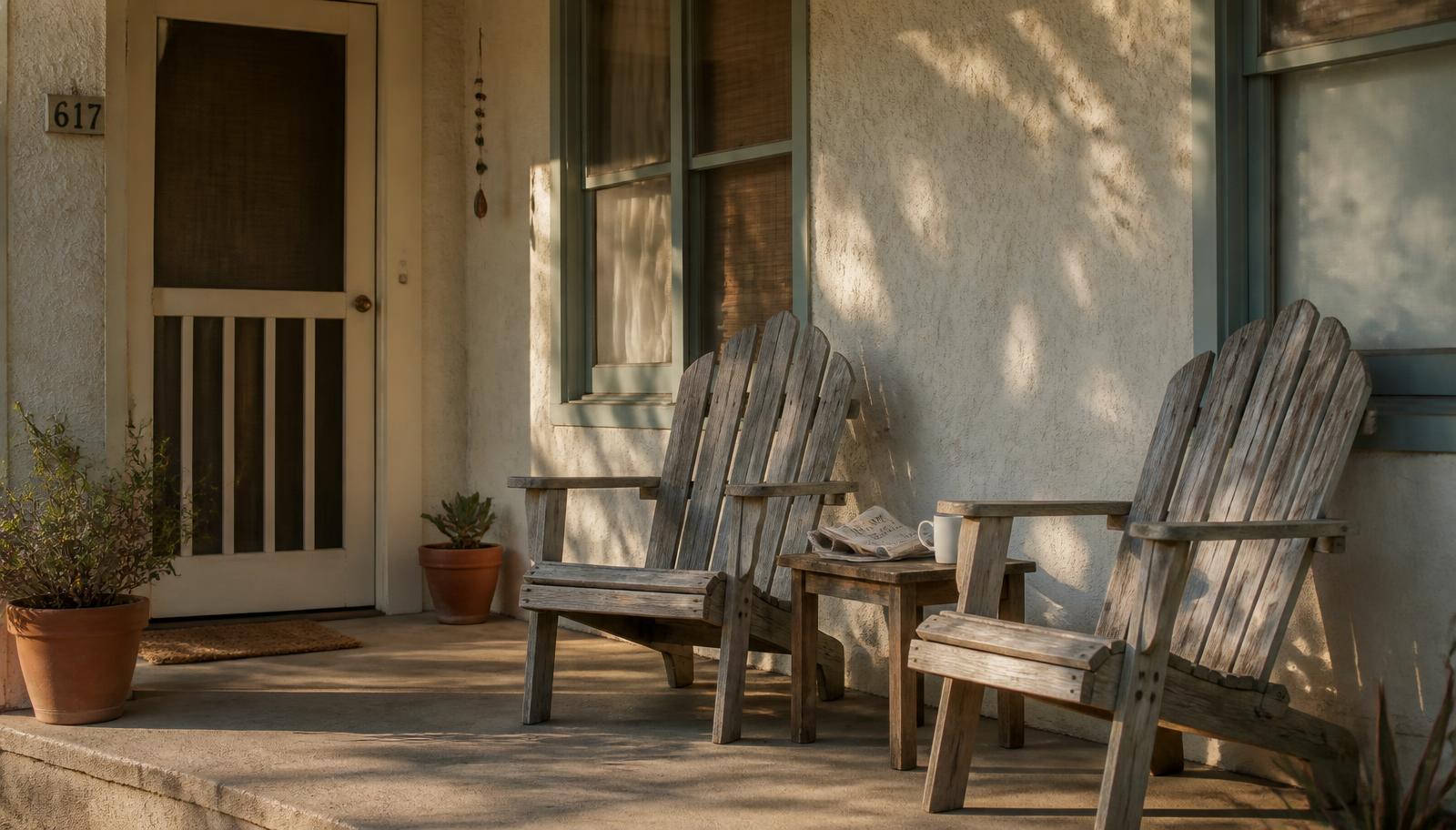
The last week of August has a particular quality to it here. The lifeguard towers still have people in them, the traffic on Pacific Coast Highway is still slow, and yet something in the light has already turned the corner. It arrives lower and leaves earlier. You notice it first on a porch.
I have been thinking about porches, and side yards, and formal dining rooms, and the room at the end of the hall that used to be somebody's bedroom. Not because they are unused — because of when they stopped being used, and how little ceremony that moment had.
The quietest kind of change
A house does not become too big all at once. It happens one closed door at a time, and nobody announces it. The upstairs bathroom goes a month without being run. The dining room gets set for holidays only, and then for one holiday only. The porch chairs stay out because taking them in would be admitting something.
This is not neglect. It is the ordinary sediment of a life moving forward. Children grow and leave and come back with children of their own for a weekend. Knees change what stairs mean. Two people who used to host twelve now genuinely prefer four.
A house does not become too big all at once. It happens one closed door at a time, and nobody announces it.
What is strange is that we keep measuring the house by its original design instead of its current use. Four bedrooms remains four bedrooms on paper long after it has become one bedroom, one office nobody sits in, and two rooms of carefully organized storage.
A walk instead of a decision
When people ask me how to know whether it is time to think about downsizing or rightsizing, I never start with the market. I suggest a walk.
Not a purge, not a plan. Just a walk through your own house on an ordinary weekday, in no hurry, noticing one thing: which rooms did you actually enter this week, for something other than retrieving an object?
Most people already know the answer and have simply never said it out loud. The count is usually smaller than they expect, and it is usually clustered — a kitchen, a chair, a bedroom, a bathroom, one path between them worn smooth by repetition.
That number is not a verdict. Plenty of people look at it and decide, entirely reasonably, that they want the extra rooms anyway: for grandchildren in July, for a workshop, for the sheer pleasure of space. That is a real answer, and it deserves as much respect as any other.
What the unused rooms cost
The rooms you no longer use are not free, though. They cost cleaning, cooling, insuring, repairing, and a low background hum of obligation that people rarely name until it lifts.
They also cost something less measurable. A house that is mostly closed doors can start to feel like a museum of a busier era, and living inside a museum of your own life is a particular kind of tiring.
None of that means selling. Sometimes it means changing the house rather than leaving it: moving the primary bedroom downstairs, widening a doorway, converting the formal dining room into the room you would actually use every day. Aging in place is a legitimate strategy, not a consolation prize, and it works better when it is a decision rather than a default.
The thing about the porch
Here is what I keep coming back to. When people tell me about their favorite part of a house — the one they get wistful about — it is almost never the square footage or the room count. It is a specific small place at a specific hour. The porch at five o'clock. The kitchen window in the morning. A chair positioned, decades ago, exactly right.
Those are portable. Not the room, but the ritual. The people who move well are usually the ones who figure out early which hour of their day they are actually trying to protect, and then go looking for a place that can hold it.
Downsizing isn't about living with less. It's about living with what matters most. This week, at the end of a summer, it might be worth finding out what that is by simply counting the doors you still open.
This story discusses housing and life transitions in general terms and is not legal, tax or financial advice.
Published August 31, 2026. This story discusses real-estate themes in general terms and is not legal, tax or financial advice. It does not describe specific clients or transactions.
One story a week
One story a week, in your inbox
No listings, no market alerts. Just one thoughtful story each week.
One thoughtful story each week. Unsubscribe anytime.
Keep reading
The Next Chapter
What Are You Retiring To?
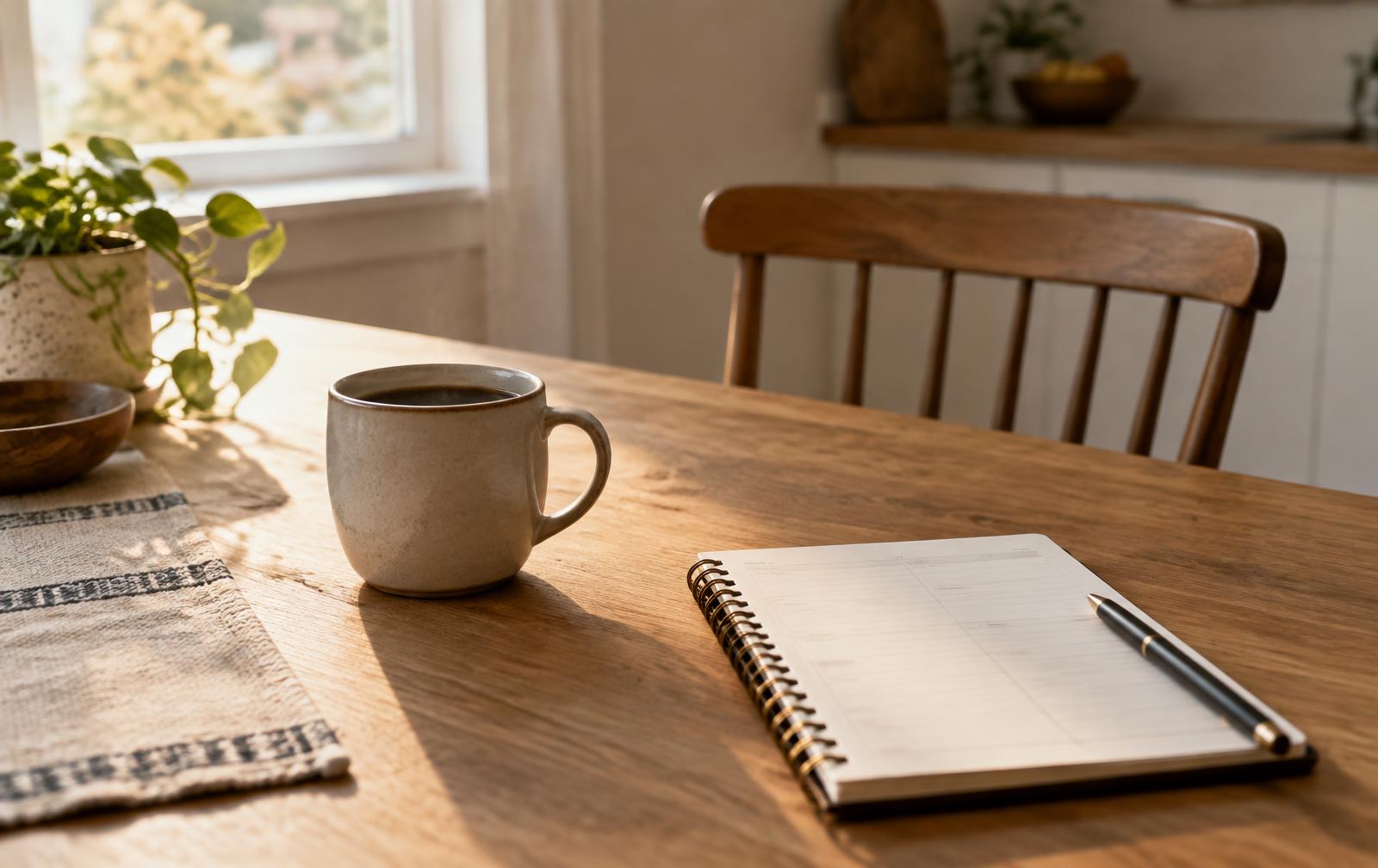
Most people run the retirement numbers a dozen times. The question that sneaks up later is quieter: now what? A few small, specific answers make that first year much easier.
September 21, 2026Purpose & Routine5 min read
The Next Chapter
Who Has a Key?
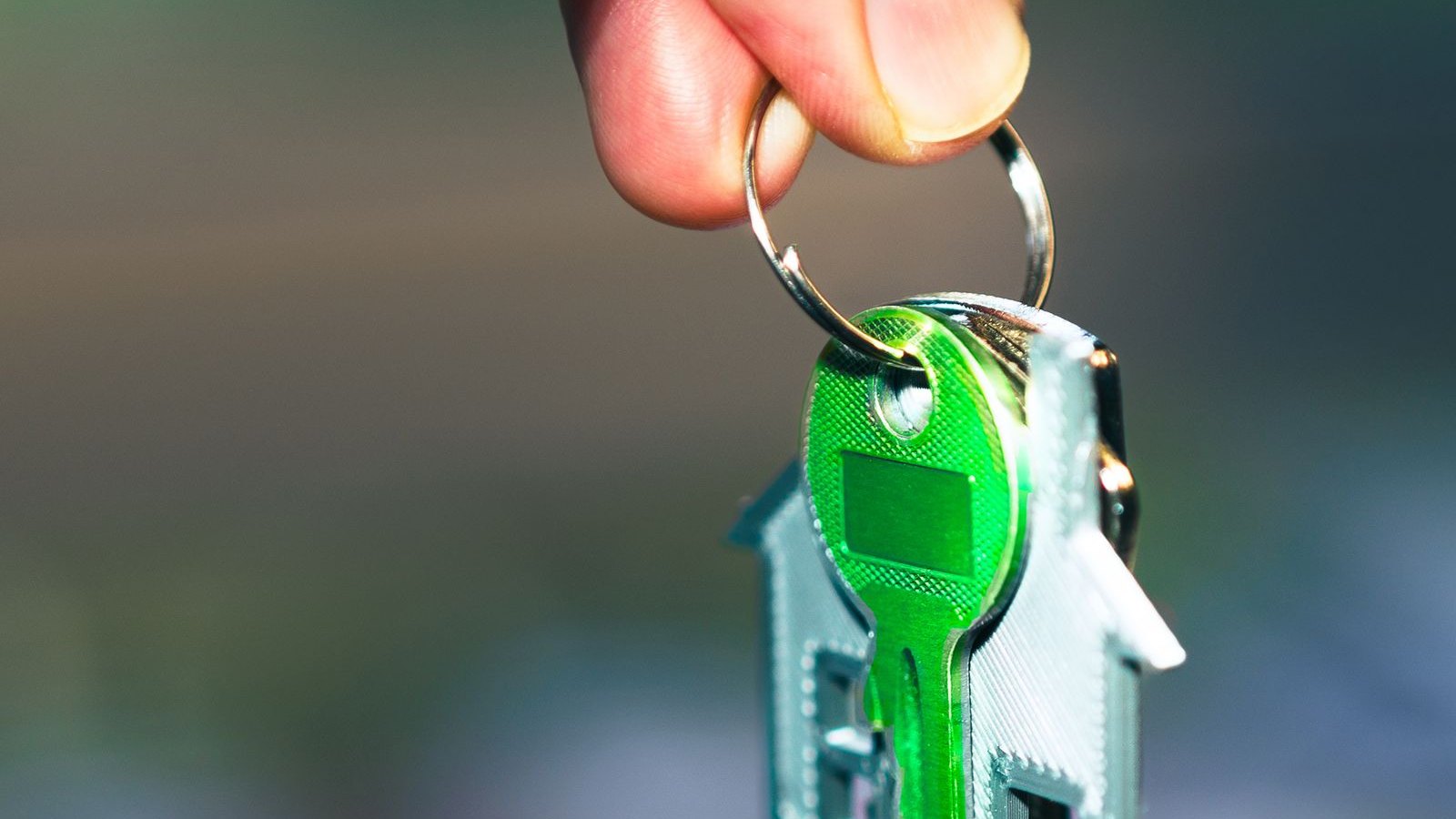
A spare key and a simple conversation can support independence while protecting your privacy and keeping decisions about your home in your hands.
September 14, 2026Planning Ahead4 min read
The Next Chapter
The House After Dark
A simple walk from the bedroom to the bathroom can show where better lighting, a clear pathway or a little extra support could make home safer and easier.
September 7, 2026Aging in Place5 min read