What the Junk Drawer Knows About Us
The most honest room in the house is four inches deep and sticks when you open it.
August 17, 2026Home & Life6 min read
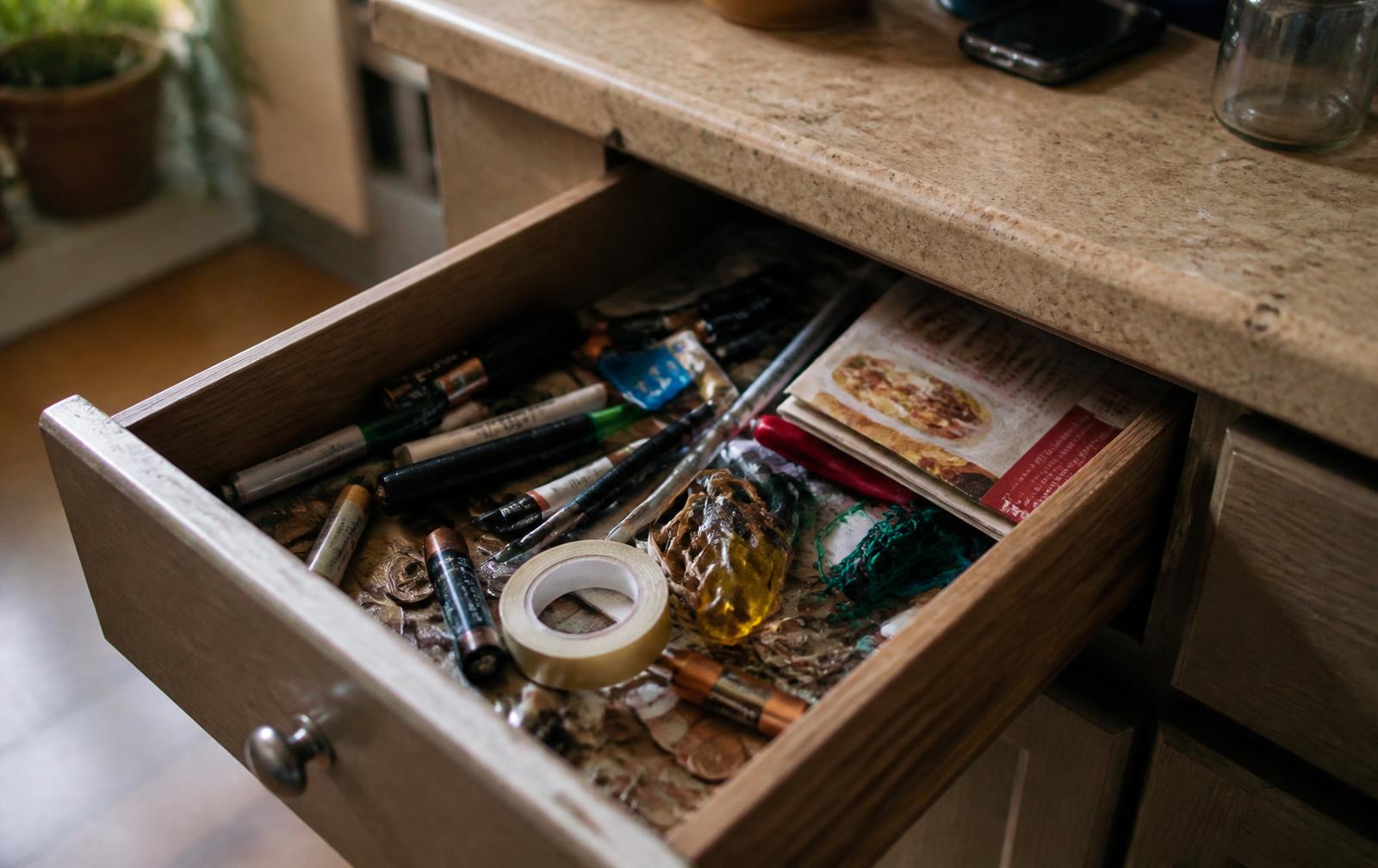
There is a drawer in nearly every home in America that no one has ever intentionally filled. It happens by sediment. Batteries of unknown charge. A tape measure. Two takeout menus from restaurants that closed. A single key, heavy and unlabeled, that has outlived the door it opened.
Nobody stages a junk drawer. Nobody photographs one for a listing. That is exactly why it is the most accurate room in the house.
The archaeology of small decisions
Open one and you can date the household. The rubber bands are from the newspaper era. The matchbook is from a night out somebody enjoyed enough to pocket a souvenir. The little screws in the film canister were saved because a man who fixed things believed, correctly, that they would be needed someday.
A junk drawer is the only part of a house nobody stages, which makes it the only part that is entirely accurate.
Every object in there is the residue of a decision too small to think about: not now, not yet, might need it. Multiply that by forty years and you get a drawer that cannot close.
Why it is so hard to empty
People assume the difficulty of clearing out a home is the big furniture. It isn't. The couch is a logistics problem. The drawer is a philosophy problem.
Big objects come with obvious categories — keep, sell, donate. Small objects come with no category at all, only a question: does this matter? And that question, asked five hundred times in an afternoon, is genuinely exhausting. It is not clutter fatigue. It is decision fatigue with a sentimental surcharge.
There is also the humbling part. Half the drawer is stuff you kept for a future that never arrived, and the other half is stuff you forgot you were keeping at all. Both are a little embarrassing. Neither is a character flaw.
A gentler method
The advice industry says: touch it once, decide, move on. That works for paperwork. It works poorly for a drawer containing a hospital bracelet.
What tends to work better is lowering the stakes. Not is this important but is this useful, is this beautiful, or is this a story I want to keep telling. Three yeses is a keeper. Three nos is a bag. And the honest middle — the objects that are none of those things but still stop your hand — can go into one small box, deliberately small, that travels with you.
That box is not failure. It is the compromise that lets the rest of the work happen. Downsizing isn't about living with less. It's about living with what matters most — and a junk drawer is where you find out, item by tedious item, what that phrase actually means for you.
The unlabeled key
I keep thinking about that key. Someone kept it because throwing away a key feels like a small violence, even when the lock is two owners gone.
That is the whole thing, really. We are not sentimental about objects. We are sentimental about access — to a place, a season, a version of ourselves that had reason to carry that key. The drawer knows. It has been keeping the record all along.
Published August 17, 2026. This story discusses real-estate themes in general terms and is not legal, tax or financial advice. It does not describe specific clients or transactions.
One story a week
One story a week, in your inbox
No listings, no market alerts. Just one thoughtful story each week.
One thoughtful story each week. Unsubscribe anytime.
Keep reading
The Next Chapter
What Are You Retiring To?
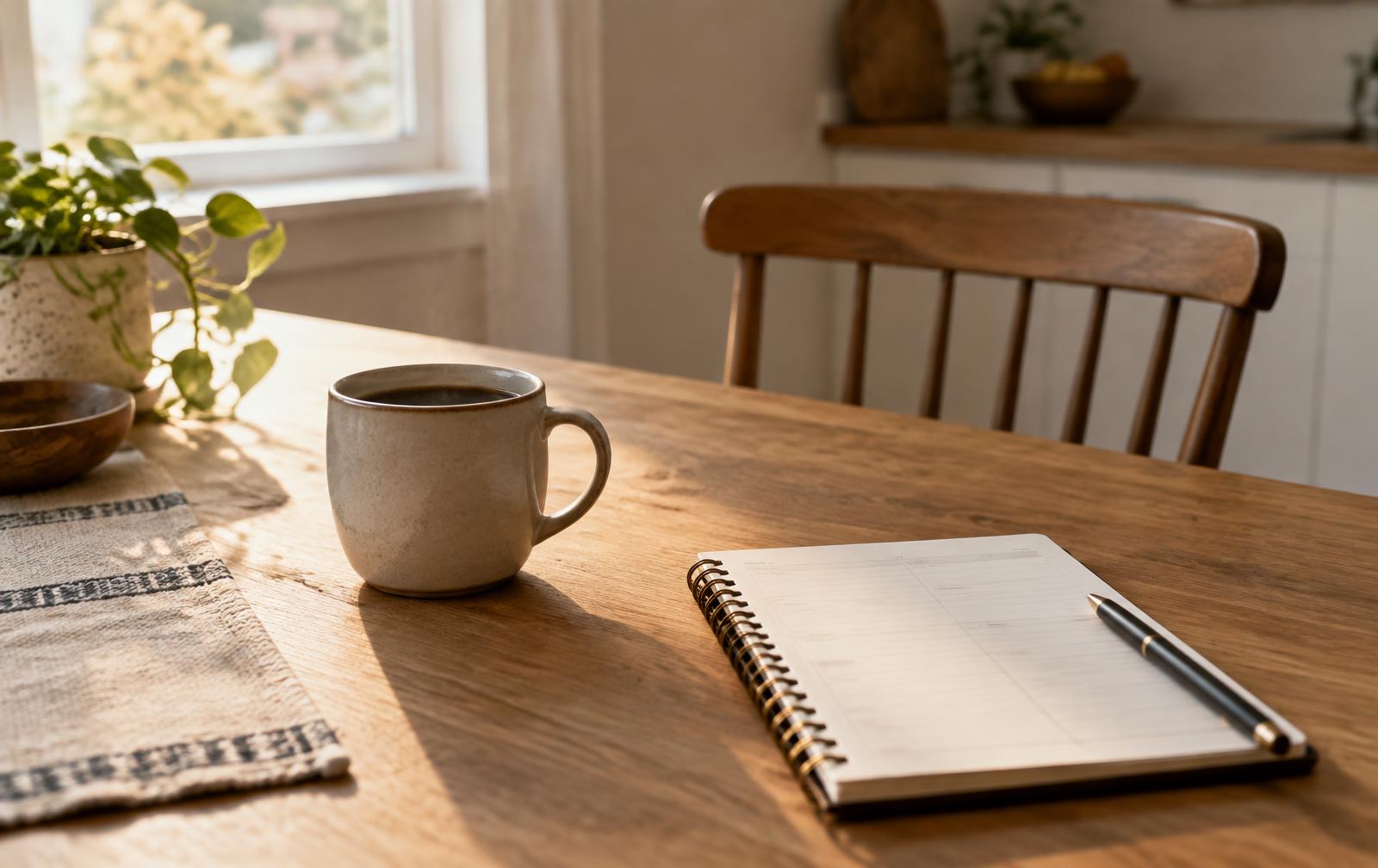
Most people run the retirement numbers a dozen times. The question that sneaks up later is quieter: now what? A few small, specific answers make that first year much easier.
September 21, 2026Purpose & Routine5 min read
The Next Chapter
Who Has a Key?
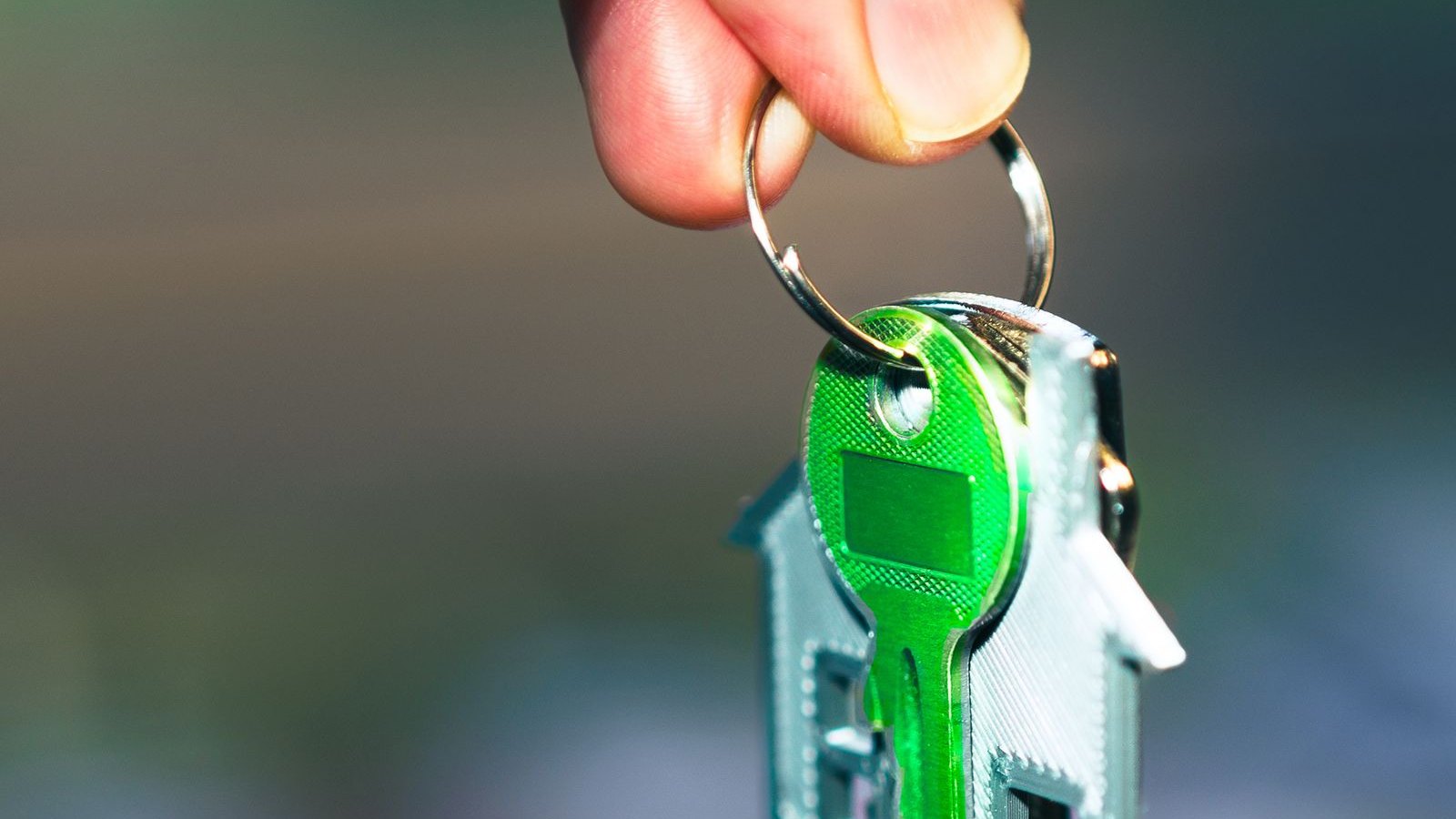
A spare key and a simple conversation can support independence while protecting your privacy and keeping decisions about your home in your hands.
September 14, 2026Planning Ahead4 min read

The Next Chapter
The House After Dark
A simple walk from the bedroom to the bathroom can show where better lighting, a clear pathway or a little extra support could make home safer and easier.
September 7, 2026Aging in Place5 min read